Custom Trips to Italy

Long lunches, private boats, and the sound of a piazza winding down at dusk.

The Reality of Luxury Italy Vacations

Every region in Italy cooks differently, speaks differently, and moves at a completely different speed. Italians call it campanilismo, a loyalty to your own bell tower, your own town, your own way of doing things. It is the reason the ragù in Bologna has nothing in common with the ragù in Naples, and why a summer afternoon in Puglia operates on a completely different clock than a morning in Milan. No two weeks in this country ever feel the same. That regional depth is what makes Italy one of the most rewarding destinations in the Mediterranean. It is also what makes it one of the hardest to plan. The infrastructure in Lombardy has almost nothing in common with the infrastructure in Sicily, and cramming too many regions into a single week is the fastest way to spend your vacation in transit.

Ask anyone for the best places to go to in Italy and you will hear the same three cities: Rome, Florence, and Venice. Those are worth the trip. But Italy keeps going well past them. The Dolomites ski resorts are as world-class as anything in the Alps, and in summer the same mountains empty out into some of the best hiking in Europe. Puglia is where you go when you want long coastal meals, olive groves, and the kind of quiet that the Amalfi Coast used to offer in the off-season. Piedmont almost never makes the first-timer’s list, but the Barolo vineyards alone are worth a trip. Add white truffle season in Alba and the easy reach to the Alps, and it may be the most rewarding region in the country for a return visit.

A well-planned day in Italy has a specific texture. You walk out of a private, after-hours Vatican tour and your table is already set across the river in Trastevere. The cacio e pepe arrives ten minutes after you sit down because your guide called ahead. That kind of coordination is what separates culinary trips to Italy from the group cooking classes that dominate the first page of Google. Wine country works the same way. A morning at a generational vineyard outside Montalcino, walking the rows with the family who planted them and tasting Brunello straight from the barrel. Lunch comes after, with the hills in front of you and nobody else around.

Luxury travel in Italy is a logistics puzzle before it is anything else. Getting from Portofino to Lake Como is not a simple train ride. It takes a specific combination of regional and high-speed rail, and sometimes the smarter move is a private car through the interior. The ferry from Sorrento to Ischia is its own category. There are multiple harbor terminals, none of them well labeled. Sea conditions matter that morning, and luggage needs to be sorted before you reach the dock. Italian transit breaks in predictable ways. Rail strikes hit with about 48 hours’ notice. Coastal roads back up for hours in August. Ferries cancel when the sea gets rough. These failure points are predictable when you know the country.

Steven’s Honest Take

Italy is one of those places where the best destinations are the ones you have to work hardest to reach. How to get to Cinque Terre is the example I always give clients. On a map it looks like a short coastal drive, but cars are useless there. You take a specific sequence of regional trains from La Spezia, and the timing matters. I have done that train route myself, and when you step off the platform in Vernazza and see the harbor for the first time, every logistical headache on the way in disappears. That is the version of Italy most people miss when they stay in the big cities.

The best version of Italy is a shoulder-season trip. May, early June, September, and October are when the country is at its most comfortable, and the difference in restaurant access alone makes it worth the planning. The rainy season in Italy starts in late October and can affect coastal ferry schedules and outdoor dining, so I build alternatives into every day. Being Virtuoso-affiliated matters here specifically because Italy’s best dining and property experiences are relationship-driven. A table at a Michelin-starred restaurant in Rome during peak season or a private tasting at a Brunello estate that does not take public bookings exists because of direct relationships with the properties, not because of an online reservation form.

Certified Italy Travel Specialist - Explore our luxury Italian vacations and Mediterranean itineraries

Steven is certified by the Italian National Tourist Board.
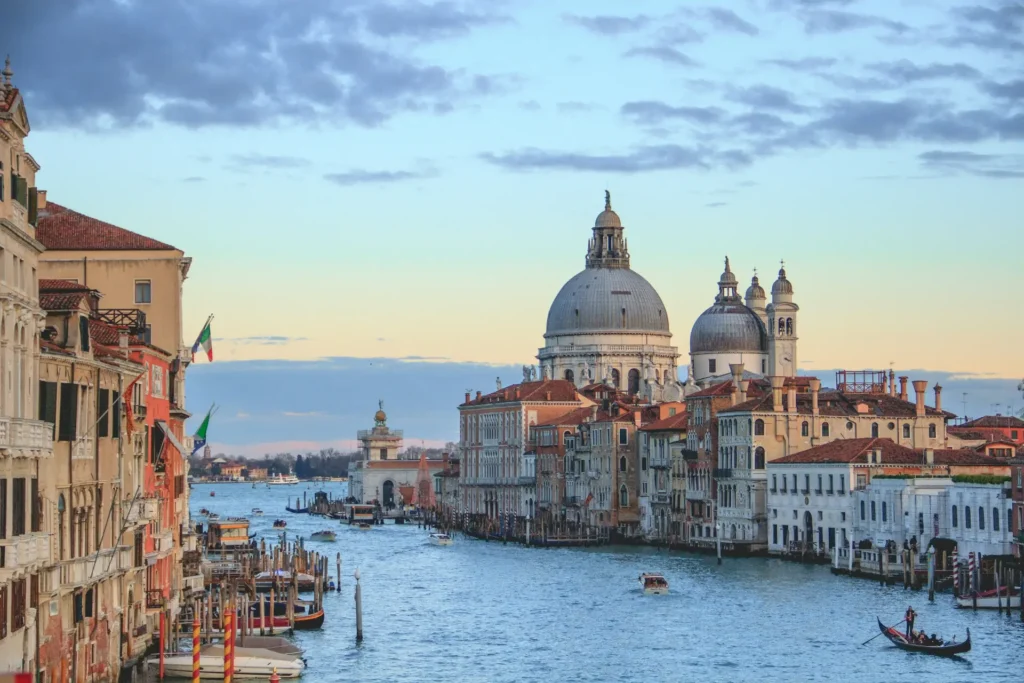
Boats navigating the Grand Canal in Venice during the day, a classic experience designed into our custom trips to Italy
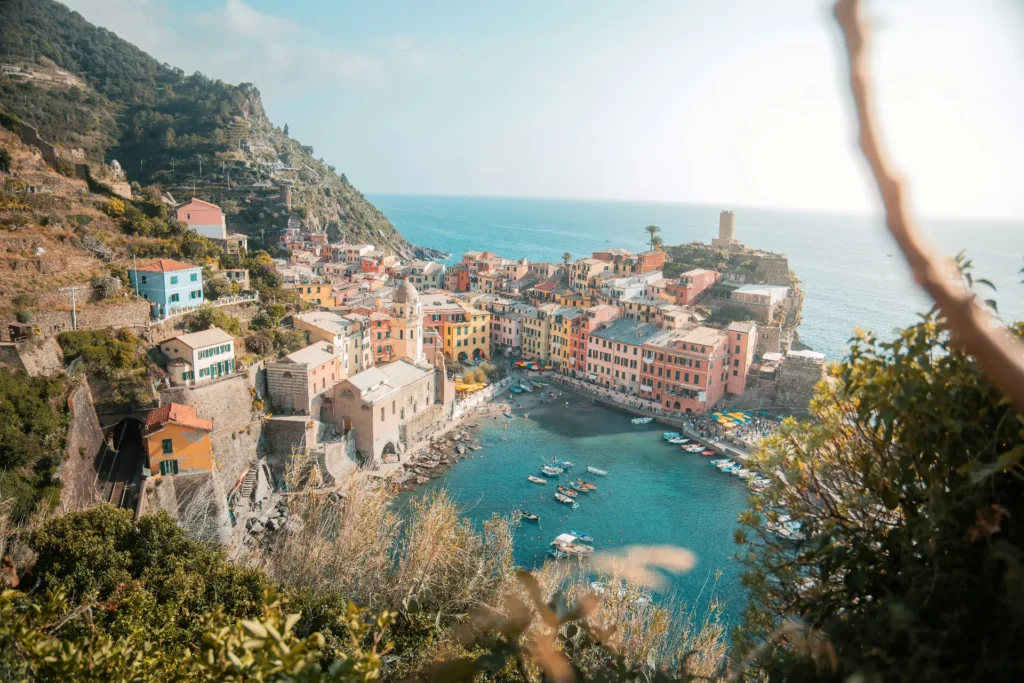
A colorful village perched above the Mediterranean Sea in Cinque Terre, Italy
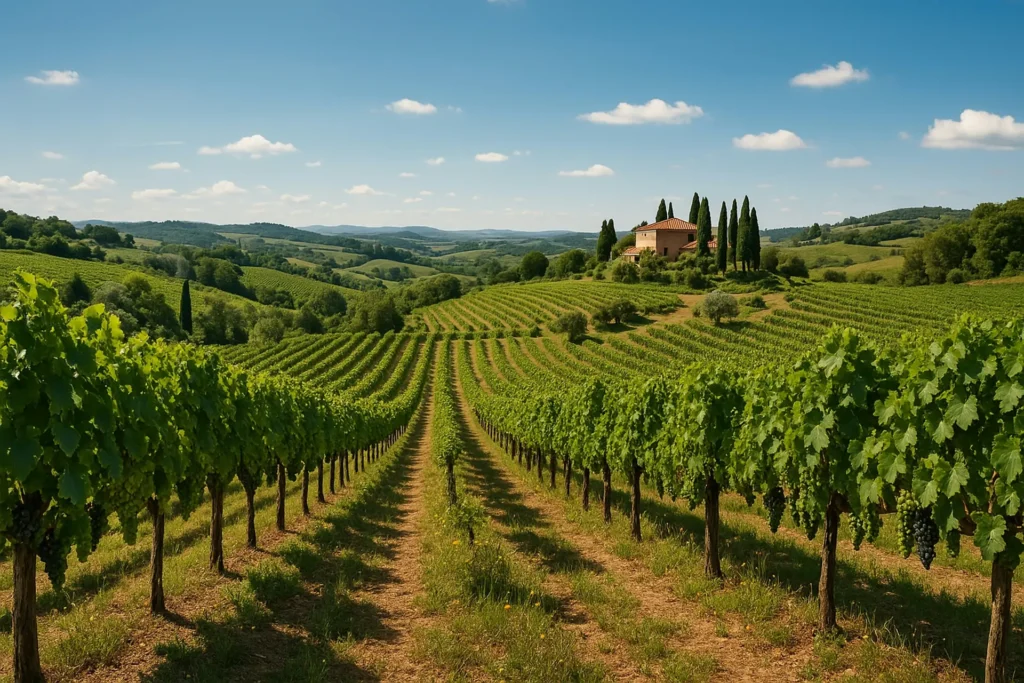
Lush green vineyard rows leading up to a stone villa in the Italian countryside of Tuscany
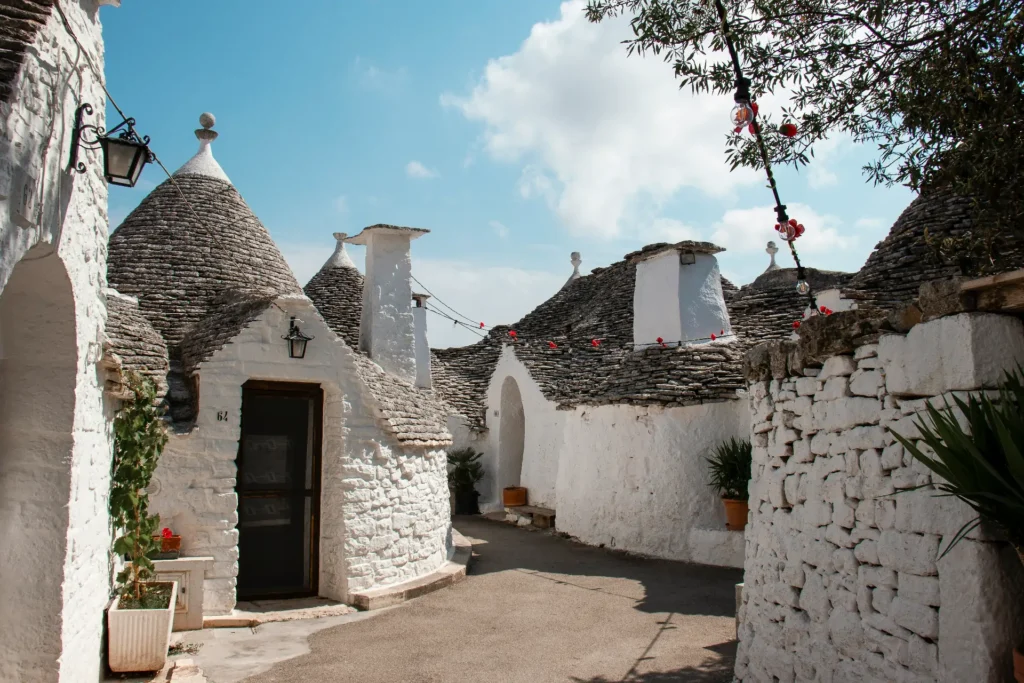
The iconic whitewashed limestone trulli houses with conical stone roofs under a clear blue sky in Alberobello, Puglia

Have questions about planning your trip to Italy?

How We Plan Custom Trips to Italy

Couples & Milestones

Privacy is the hardest thing to find on an Italy honeymoon, because the country is universally popular for a reason. The trip works best when you pair a few days of intensity (private tours in Rome, dinner reservations in Trastevere) with a stretch of genuine quiet: an unlisted villa in Umbria or a wooden boat on Lake Como with nobody else on the water. Anniversaries, birthdays, and “just because” couples trips all work just as seamlessly when the pacing is done right.

Family Trips

Family vacations in Italy come down to one decision: where you base yourself. Venice with a stroller across those bridges is genuinely miserable. Tuscany with a private driver and an agriturismo as home base is a completely different trip. Kid-friendly mythology guides at Pompeii and the Colosseum turn the ruins into something a ten-year-old actually wants to see.

Friends & Private Groups

Group travel to Italy is one of the easiest things to plan in Europe because the country’s villa infrastructure is built for it. A multi-couple group can take over a Tuscan estate for a week with private chefs and a wine cellar on the property, with enough acreage that the group only converges when it wants to. The same logic works for a yacht charter on the Amalfi Coast or a wine country buyout in Piedmont.

Seasonal Timing in Italy

Italy’s geography runs the calendar. The Amalfi Coast effectively shuts down by November while the Dolomites open up for ski season. If you are asking about the best time to visit Lake Como, the answer is May or September. The villa gardens are at their peak and the ferries run full schedules. The July crowds (and the heat that comes with them) are gone. We plan around these regional windows so your timing and your destination match.

Apr – May
Jun – Aug
Sep – Oct
Nov – Mar
Weather

60 – 75°F, mild

80 – 95°F, humid

65 – 80°F, warm

35 – 55°F, cold/wet

Crowds

Moderate

Peak capacity

Moderate

Low (except ski)

Risks

Easter closures

Extreme heat, Ferragosto closures (Aug 15)

Ferry reductions late Oct

Rain, coastal shutdowns, short days

Best Regions

Cities, countryside

Lakes, Alps, islands

Coasts, wine country

Dolomites skiing

Our Italy Outlook for 2026

The Italy trip Americans booked five years ago doesn’t really work anymore. The country is more popular than it has ever been, the headline-city hotels and restaurants are filling earlier than they ever have, and the standard 12-day Rome-Florence-Venice itinerary increasingly feels less like a trip and more like a defensive operation against crowds. The good news is that the alternative is better.

Regional deep dives over the grand tour

The shift in 2026 is toward concentrated regional trips. A full week in Puglia. A week in the Dolomites. Bologna as a base for ten days of Emilia-Romagna food country. The reasoning is straightforward: trying to do all of Italy in two weeks means doing none of it well, and a country with this much regional variation actively rewards travelers who pick a corner and commit to it. The Tuscany-and-Florence default still works for a first trip, but for anyone who’s been before, the better Italy in 2026 is the Italy that gets one chapter instead of all of them.

The second-tier cities actually worth booking

Milan is having a quiet renaissance for American travelers, helped along by post-Olympic infrastructure improvements and an increasingly serious dining scene. Bologna keeps climbing as a food-and-wine base. Matera and the Puglia coast are pulling travelers who want southern Italy without the Amalfi cruise-stop crowds. None of these places are obscure to Italians. They remain underbooked relative to the headline cities, and that’s exactly where the better trips are happening.

The early-booking pressure is real

The compression problem in Italy needs to be taken seriously. The best agriturismos in Tuscany book out a year ahead. The credentialed private guides in Rome work the same way. Small-group experiences are increasingly the bottleneck, not the lodging itself. A cooking class in Bologna books up six months out. Vineyard visits in Barolo run the same way during truffle season. Private boat days along the Amalfi sell out by spring. Travelers flexible on dates have options. Travelers locked into specific weeks are increasingly finding that “available” hotels are the ones nobody else wanted.

Frequently Asked Questions About Italy

Italy is part of our Mediterranean collection. Explore the other destinations in the region to find the right combination for your trip.

Let’s Talk About Your Italy Itinerary

Tell us where you are thinking about going and what matters most to you. We will take it from there.

Scroll to Top