
Soft adventure replacing the extreme version
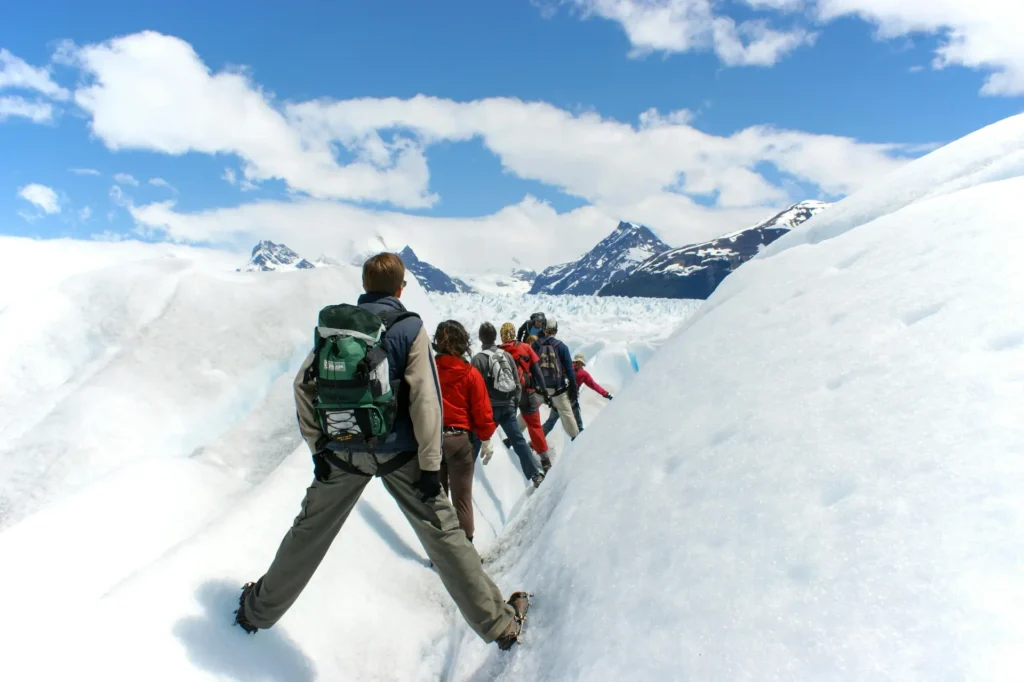
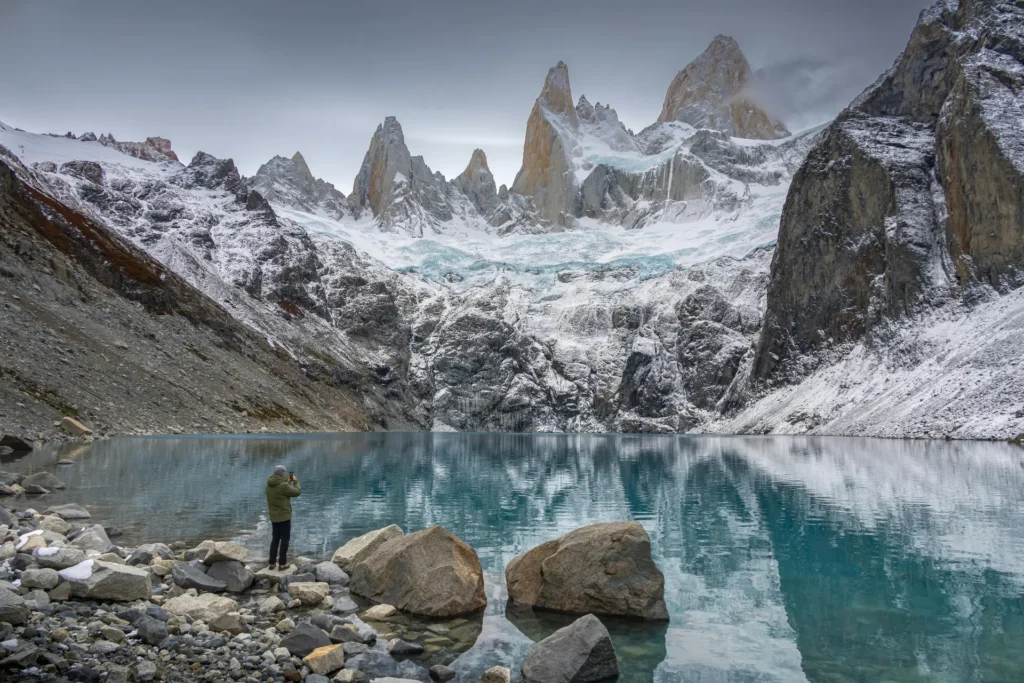
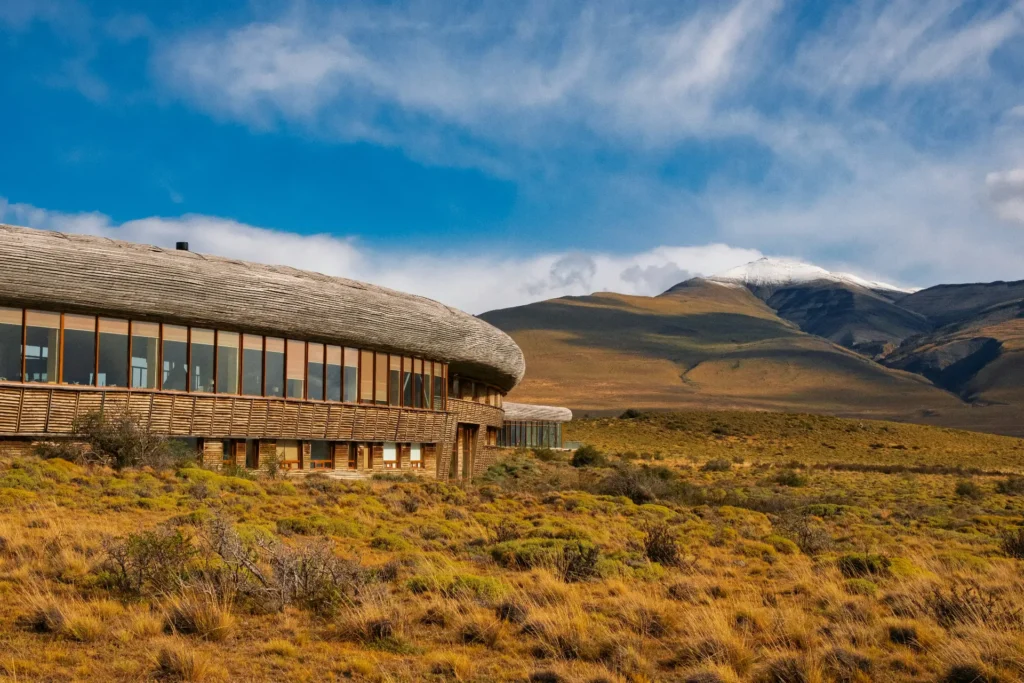
The Patagonia of fifteen years ago was almost entirely about endurance. The W and O Treks at Torres del Paine, the Fitz Roy Circuit out of El Chaltén were the standard programs. They still run and they are still excellent. But 2026 demand is heavily weighted toward soft-adventure programs that base out of high-end lodges and use day hikes, Zodiac excursions, and guided wildlife programs to access the same landscapes without requiring a backcountry skillset. Explora and Tierra built their entire model around this approach, and the wider region is following.
Shoulder season as the new peak
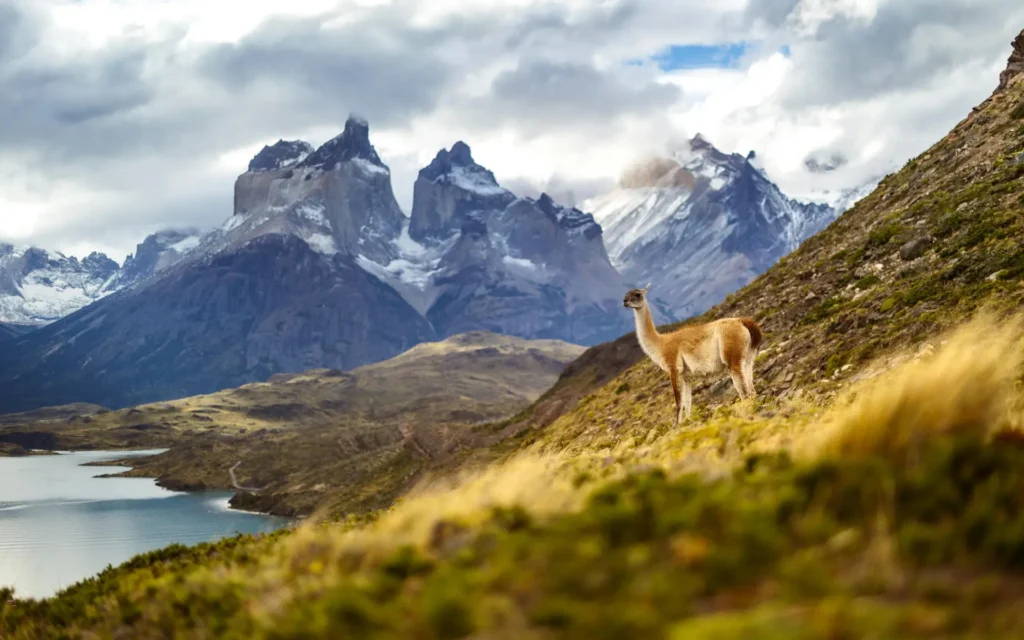
The traditional December-to-February window still books out, but late October to November and March to April are increasingly drawing serious travelers. The weather is more variable, but the trade-offs work for a particular kind of trip: lower lodge pricing, materially fewer people on the trails, better wildlife visibility (especially for puma tracking in the autumn months), and a quality of experience that the peak season has lost. For travelers who want a more contemplative version of the trip over the longer summer days, the shoulder season is where the better Patagonia is happening right now.
Conservation and rewilding as itinerary anchors
The conservation story in Patagonia has changed enough in recent years that it deserves to be on the itinerary deliberately, not as background. Tompkins Conservation’s work creating new national parks in both countries (Patagonia National Park in Chile and Iberá in Argentina) combined with active rewilding programs reintroducing jaguars to the Iberá wetlands, has built a layer that was not part of the standard Patagonia product five years ago. The conservation-focused lodges across both sides of the border are now central rather than incidental, and travelers who want a trip with measurable impact have credible options here that do not really exist anywhere else in the world.