
Tailor-Made Croatia Trips
Where the Mediterranean ends and the Atlantic begins.
What Croatia Travel Looks Like
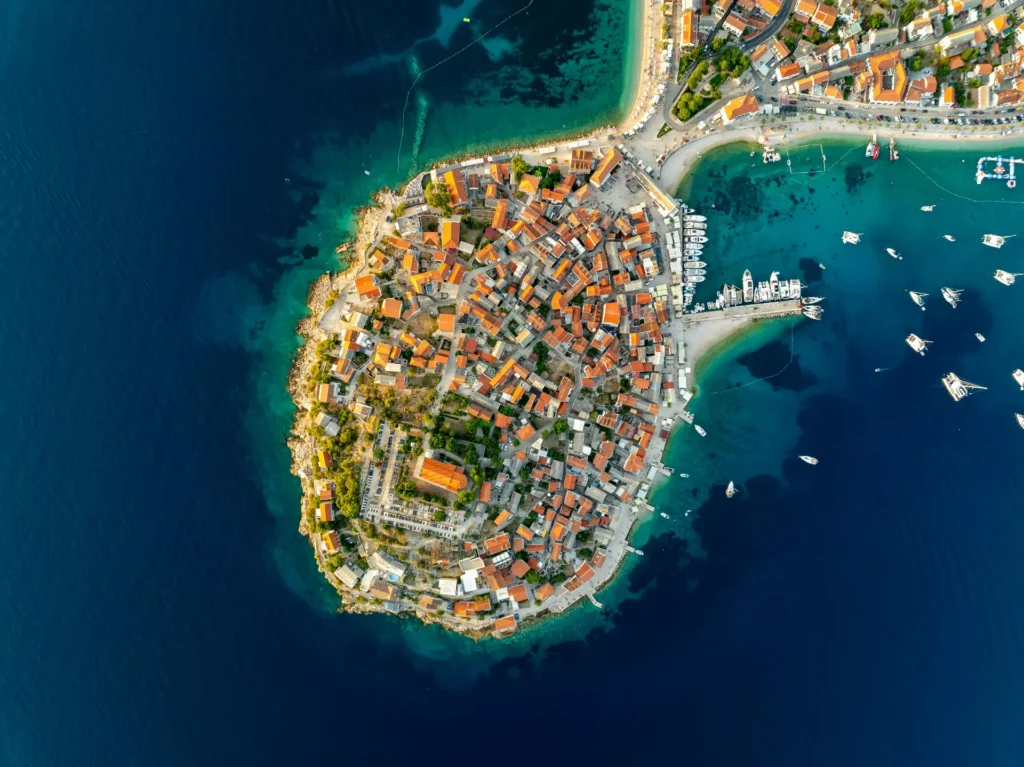
A Croatia vacation is built around the Adriatic Sea more than anything else. Over a thousand islands spill down the Dalmatian coast, separated by water clear enough to see the seabed thirty feet below. First-time visitors who arrive expecting a version of Italy tend to find something with its own character. Venetian influence runs through the food, especially the olive oil pressed on the island of Brač. Roman columns sit next to medieval stone walls inside Split. Inland, the landscape climbs into karst territory with limestone canyons and freshwater lakes that look like a completely different country from the coast. The country itself stretches from Istria in the north down to the Konavle valley below Dubrovnik, a thin Mediterranean arc that turns its back on the Balkans and faces the sea.
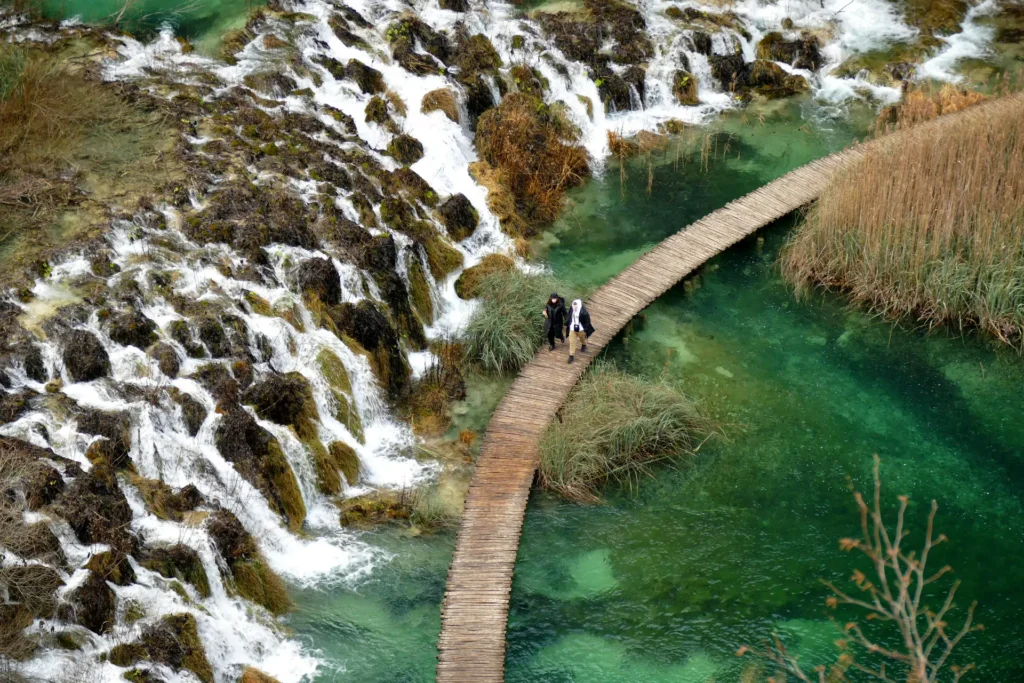
A trip to Croatia rewards travelers who push past the standard Dubrovnik-and-Split itinerary. Croatia is one of the few Mediterranean countries where two weeks can credibly cover Roman ruins on the coast and truffle hunting in the inland forests without feeling chopped up. Istria, the inland peninsula tucked against the Slovenian border, has the hilltop architecture and culinary tradition most visitors associate with northern Italy, often at half the price. Motovun and Grožnjan are the two hilltop towns that anchor a proper Istrian leg, with truffle forests and small family wineries within an easy drive of either one. The ferry past Hvar reaches quieter islands like Vis and Korčula, where the local economy still leans on agriculture and fishing more than on tourism. Plitvice Lakes and Krka give the inland portion of the trip a freshwater counterpoint to the coastal rotation, and that regional contrast is what justifies a longer itinerary rather than a quick coastal sampler.
At their best, luxury trips to Croatia rely on timing and access. A morning walking the underground cellars of Diocletian’s Palace in Split before the cruise groups arrive lets you see the scale of a structure that local Splićani still use as the foundation for the apartments above. The Substructures, the original basement vaults of the palace, are cool and dim and lit only by what filters down from the residential floors. An afternoon on the Pelješac peninsula can mean pulling oysters straight from the water in Mali Ston and eating them on the farmer’s boat. An evening on Vis often ends with a peka, meat or octopus slow-cooked under an iron bell at a konoba where the menu is whatever the family is making that night. These are the tactile moments that quietly disappear once an itinerary defaults to observation decks and timed photo stops.
The Adriatic shoreline is one of the few in Europe where a trip is built more around boats than cars. Croatia sailing trips and private water transfers connect the islands far more elegantly than the coastal highway, which thins to two lanes and slows to a crawl in peak season. We coordinate the marine and ground pieces together, including the Jadrolinija catamaran tickets that sell out weeks ahead on the popular Split-to-Hvar and Split-to-Vis routes, and the harbor permits that let private drivers pull right up to the dock. The boat portion of a Croatian trip benefits from a real-time advisor watching the weather windows, especially in the shoulder seasons when the bura wind off the Velebit mountains can shift sailing conditions in a few hours. The result is a trip that flows by water through the Dalmatian islands, with a named contact on the ground at every stop ready to pick up the phone the moment something needs to shift.
Steven’s Honest Take
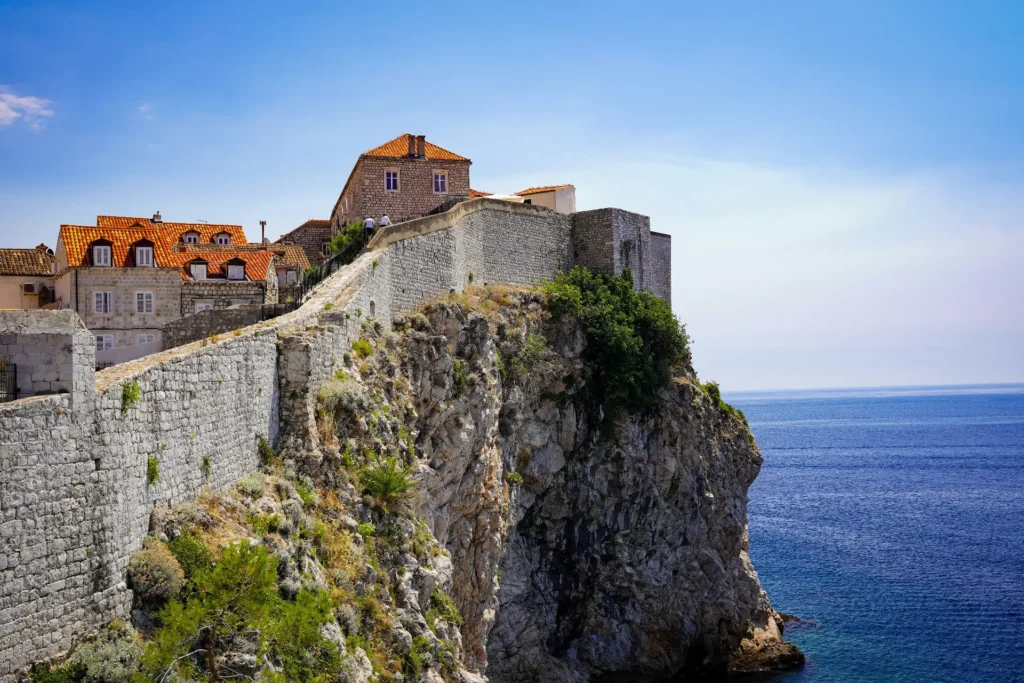
Croatia is best enjoyed by travelers who time the day right. Dubrovnik and Split are both built inside medieval walls that hold their character beautifully when the streets are quiet, which usually means before nine in the morning or after the cruise ships have moved on for the day.
For those who want to actually feel Dubrovnik rather than queue through it, I send them to the walls at eight in the morning or after four in the afternoon, when the light is better anyway. The middle of the day gets reserved for a private beach club or a boat charter out to the Elaphiti Islands.
If you want to add Istria to the itinerary, I guide you toward early September into October. The Adriatic is still warm enough for swimming and the truffle season is hitting its stride in the Motovun forests. The konobas that shutter in winter are still serving.
A question I get often is whether to base inside Dubrovnik’s walls or somewhere quieter nearby. My usual recommendation is Cavtat, twenty minutes south of the airport in the Konavle valley. The boutique properties there are smaller and more residential, and the Konavle wineries are an easy drive. A Dubrovnik day trip from Cavtat actually feels like a day trip rather than a daily exit from a walled city packed with cruise traffic. For clients who want this kind of base, my Virtuoso contacts in Konavle handle the harbor pickups and the city transfers directly.

Steven is certified by the Croatian National Tourist Board.
Have questions about planning your trip to Croatia?
How We Plan Croatia
Family Trips
A Croatia family vacation works best with a base rather than a new hotel every two days. A private villa on the Dalmatian coast lets parents settle in with a pool while keeping the boat or car ready for day trips. For families with teenagers, the active days come built in: sea kayaking around the Pakleni Islands or hiking the lower trails of Krka National Park.
Couples & Milestones
A honeymoon in Croatia delivers the depth of Italian food and wine alongside a coastline that is built for privacy. The best places to visit in Croatia for couples tend to be the islands without commercial airports, which keeps the day-trip crowds at a distance. The quieter pockets are where the trip earns its keep. Think a winemaker’s tasting on Korčula, or a boutique hotel pressed into the limestone in Rovinj.
Friends & Private Groups
A group trip to Croatia is one of the few in the world where the boat replaces the hotel for the entire week. A private gulet charter sleeps eight to twelve in cabins for couples or families, with a captain and crew running the boat overnight so the group wakes up at a different island each morning. For groups that prefer to stay on land, a villa buyout in the Konavle valley below Dubrovnik delivers the same shared-house feel without the at-sea logistics.
When to Go to Croatia
The honest answer to when is the best time to travel to Croatia comes down to one question: is the trip built around the coast or the interior? September is the consensus pick for coastal travel. The Adriatic holds the summer heat into autumn and the August crowds have cleared out, leaving the coastal road moving freely again. June is the runner-up. October works beautifully for inland itineraries built around the Istrian white truffle season, with the small caveat that some island hotels start closing by the third week of the month.
Apr – May
Jun
Jul – Aug
Sep – Oct
Weather
Mild, 60-70°F
Warm, 75-85°F
Hot, 85-95°F
Warm, 65-80°F
Crowds
Low
Moderate
Peak capacity
Moderate
Risks
Water too cold for swimming
Minimal disruptions
Extreme heat and severe road traffic
Ferry schedules reduce in late October
Best Regions
Istria, Zagreb, Split
Dalmatian Coast, Islands
Inland national parks, Istria
Dalmatian Coast, Istria
Our Croatia Outlook for 2026
Croatia’s 2026 looks more uncertain than it has in years, and that’s actually opening up some interesting options. The Dalmatian Coast has spent the last several summers operating at saturation levels, with cruise-ship congestion in Dubrovnik becoming a defining feature of the experience rather than an inconvenience. The pricing pressure has finally caught up to it, and Americans are quietly reorganizing their Croatia trips in response.
Inland and lesser-known coastal regions
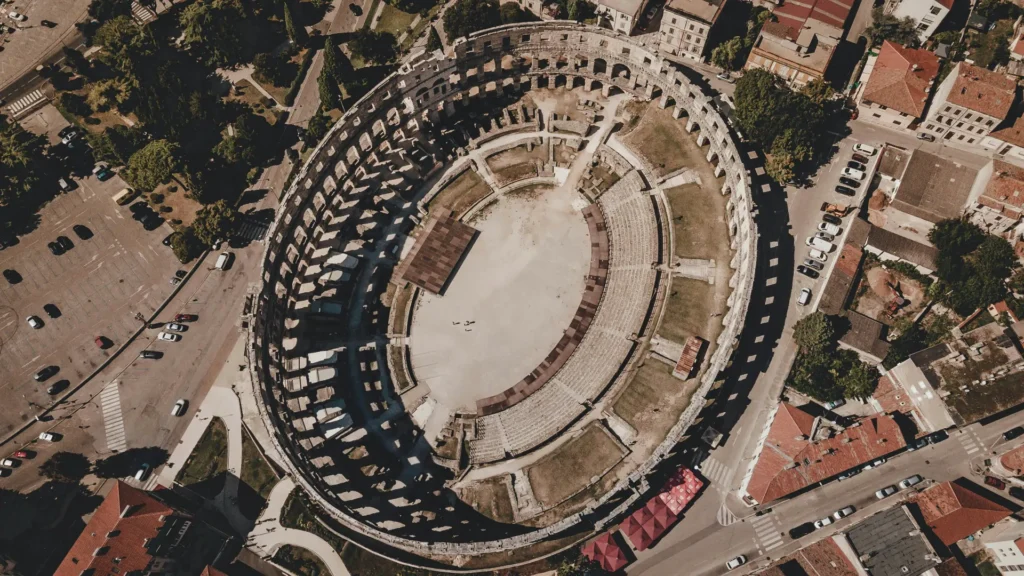
The Dalmatian Coast (Split, Hvar, Korčula, Dubrovnik) is still the headline product, but the more interesting Croatia conversation in 2026 is about Istria. Truffle country and wine regions around Motovun, with the Roman amphitheater in Pula and a coastline that feels closer to Italian Riviera than to Adriatic resort. The food alone is worth the trip. Slavonia in the east and the lesser-visited islands further south are also pulling interest from travelers who want Croatia without the cruise-ship congestion that defines summer Dubrovnik.
Shorter Croatia trips paired with another country
The Croatia trip in 2026 is increasingly shorter than it used to be. A week in Croatia paired with Italy or Greece is replacing the traditional 10-day Dalmatian Coast cruise. Combined Croatia-Italy itineraries make particular sense given the proximity (Split to Venice is a short hop), and Croatia-Greece works well when the Croatia segment is built around Istria rather than the southern coast. The flexibility cuts both ways. Travelers who can move on dates have more options than they used to. Travelers locked into specific weeks are paying more for less.
Frequently Asked Questions About Croatia
Should a first trip focus on the coast or head inland?
A balanced first trip pairs the Dalmatian coast with at least one inland stretch, usually Istria or Plitvice Lakes National Park. The coast delivers the postcard Adriatic side, with limestone harbors and long meals on the water. The interior runs on a different tempo, more forests and wine country than salt and sun.
The coast and the interior actually pair best when they alternate rather than stack in the itinerary, because the coastal towns share enough visual DNA that a few days inland resets the eye. A short stretch in Istria brings in hilltop towns and Michelin-tier konobas that feel architecturally distinct from anything in Split or Dubrovnik. Zagreb works well as a gateway airport when Plitvice and Istria are both on the route, since both sit within easy driving distance of the capital. Gilded Travels usually sequences the routing so the transitions between regions are short, with private drivers and timed ferries handling the connections.
Where in Croatia was Game of Thrones filmed, and how do you visit without the crowds?
The short answer to where in Croatia was Game of Thrones filmed is Dubrovnik and Split, with several smaller fortresses and islands along the Dalmatian coast filling out the production. Dubrovnik’s old city walls served as the King’s Landing exteriors, and the cellars of Diocletian’s Palace appeared as Daenerys’s underground throne room.
The trick is timing. Both cities are at their best in the early morning or the late afternoon, when the cruise crowds have either not arrived yet or have already headed back to the ships. Beyond Dubrovnik proper, the island of Lokrum and the Trsteno Arboretum served as additional locations and each warrant a half-day for fans of the show. Gilded Travels schedules private morning access through guides licensed by the Croatian National Tourist Board, so you walk the Dubrovnik walls and the Split cellars with the architecture and the history fully in view. The rest of the day usually goes to a private beach club or a boat charter out to one of the quieter islands.
Is Croatia a strong fit for a honeymoon or milestone trip?
A luxury honeymoon Croatia itinerary works because the country is built for privacy. The islands without commercial airports keep daily traffic light. The boutique hotels run small and the food and wine depth carries each meal as long as you want it to last.
Gilded Travels designs honeymoon and milestone routes around the experiences that make a celebration feel different from a sightseeing trip. That usually means private boat days through the Dalmatian islands paired with quieter inland nights at boutique properties on the Pelješac peninsula or in the limestone backstreets of Rovinj. Late September into early October is the consensus sweet spot for a Croatian honeymoon, with warm water and long evenings as the harvest gets underway across the Pelješac and Istrian wine country. The country is small enough that two weeks can comfortably hold the high points of a coastal stretch and a few inland anchors without the trip ever feeling rushed.
Croatia is part of our Mediterranean collection. Explore the other destinations in the region to find the right combination for your trip.
Let’s Talk About Your Croatia Itinerary
Tell us where you are thinking about going and what matters most to you. We will take it from there.