

Steven is certified by Portugal’s National Tourism Authority.

Madeira and the Azores as nature-forward escapes
Madeira is having its moment. The “Hawaii of Europe” comparison gets thrown around for reasons that hold up: volcanic terrain, sub-tropical climate, and a hiking network built on old irrigation channels (the levadas) that doesn’t really have an equivalent anywhere else in Europe. The Azores, further out into the Atlantic, attract a different traveler entirely. More remote, less polished, geared toward whale-watching and dramatic volcanic coastline rather than resort amenities. Both islands are absorbing demand from Americans who want Portugal without the Algarve’s summer crowds, and the trip profiles are different enough that it’s worth getting the choice right.
Slow, wine-centric summer travel
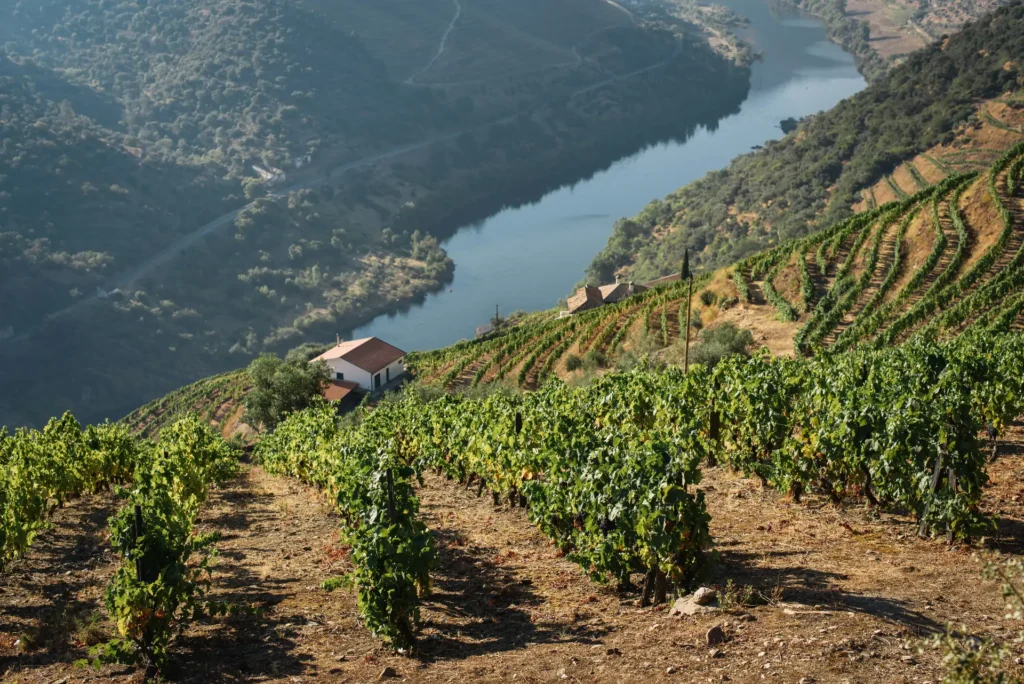
The bigger mainland shift in 2026 is the move from coastal resort stays toward slower itineraries built around the wine regions. The Alentejo and the Douro Valley are the natural anchors. The pousada network (Portugal’s parallel to Spain’s paradores) supports this directly, with historic inns scattered across the countryside that work as both lodging and cultural reference point. The most interesting luxury tours of Portugal in 2026 are anchored on the wine regions and the pousadas rather than the coast.
Spring break alternative for North American families
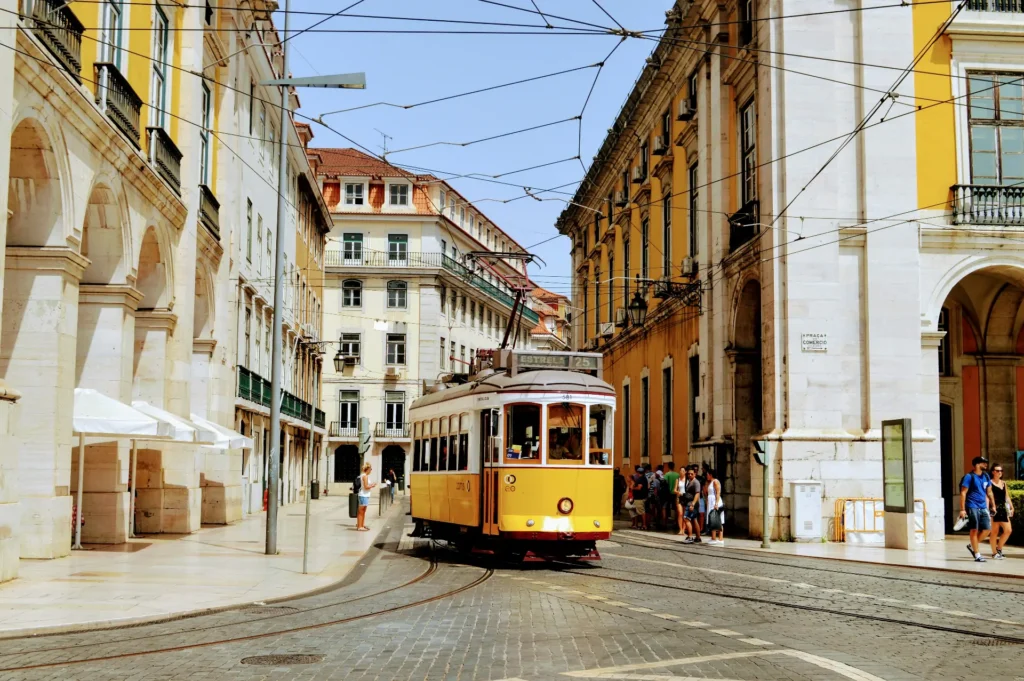
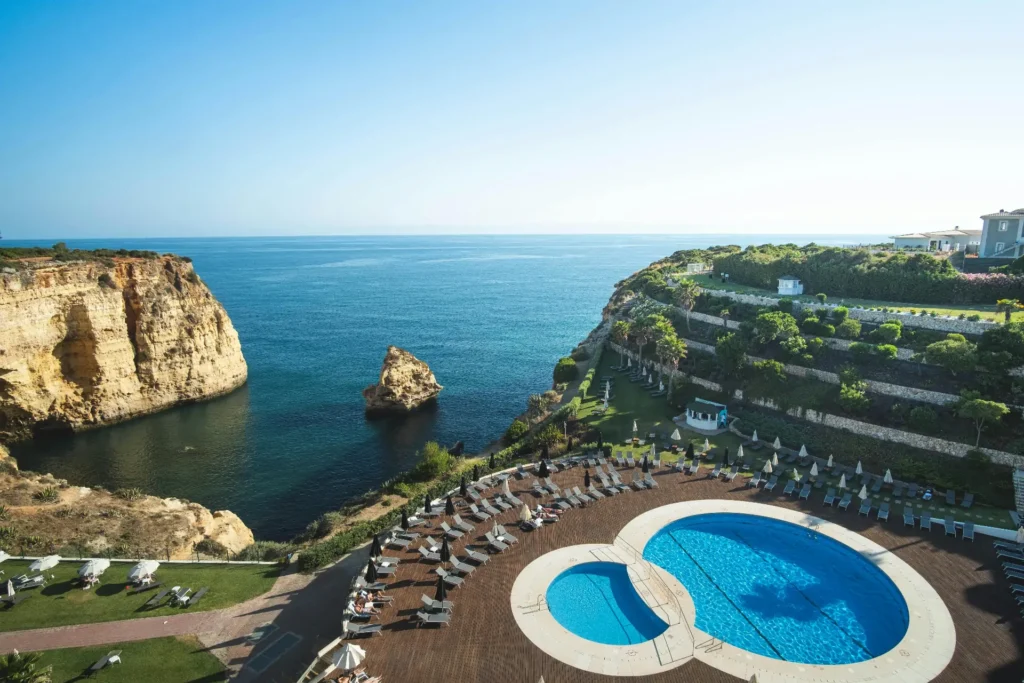
There’s been a noticeable uptick in North American families choosing Portugal for spring break, particularly families with kids old enough to enjoy a city. The Algarve is the obvious anchor, but Lisbon and Porto are also absorbing demand, with Madeira increasingly in the conversation. Direct airlift from the East Coast keeps travel days manageable. English is widely spoken in tourist areas, and the food culture rewards even casual exploration with kids. For families looking past the Caribbean for the first time, Portugal is one of the better landing spots.