
Adventure travel as mainstream, not niche
The “adventure travel” category used to imply physical extremes, with multi-day trekking and technical climbing as the typical examples. The 2026 version is broader and softer, and Chile has been one of the major beneficiaries. Lodge-based programs anchored in well-developed protected-area infrastructure now dominate the demand. Day hikes from a high-end base. Wildlife observation programs in the central wine country and the Atacama. Guided photography workshops in Patagonia. The hard adventure hasn’t disappeared. The soft version is just a much larger market now, and Chile happens to be very good at it.
North-to-south sabbatical itineraries
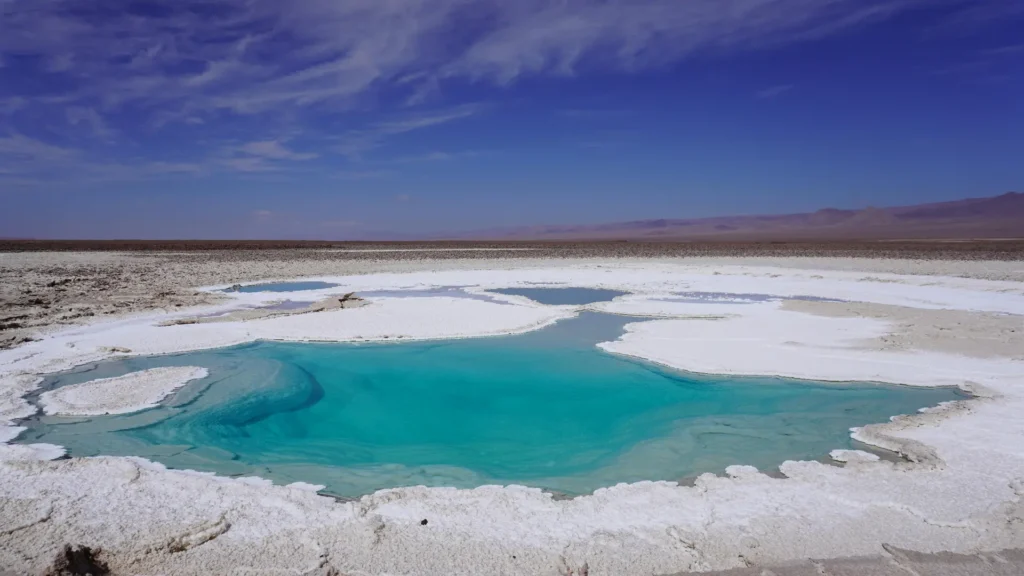
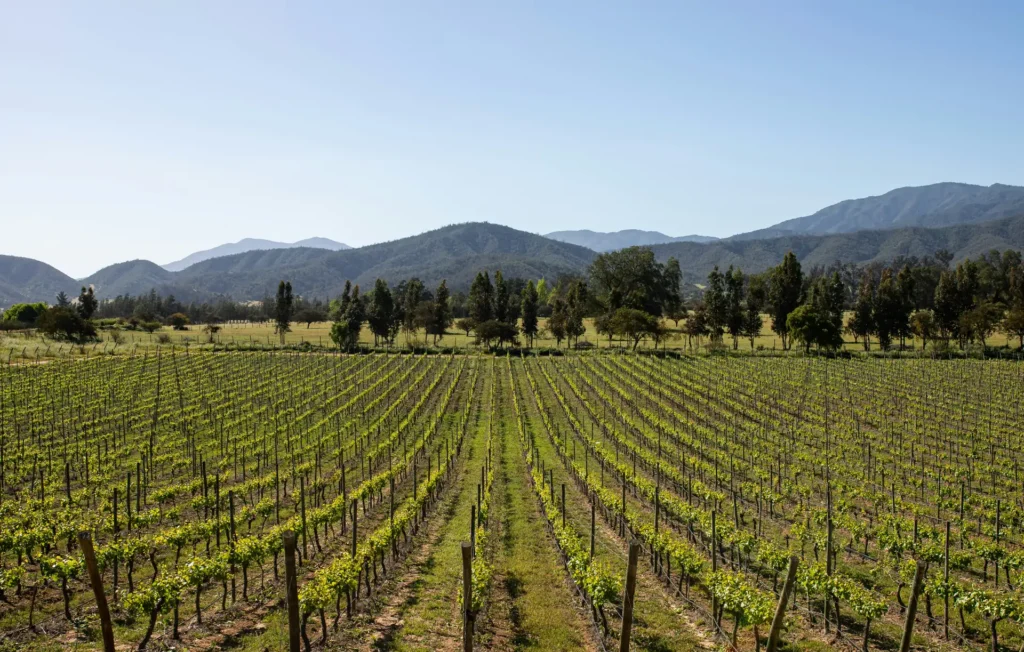
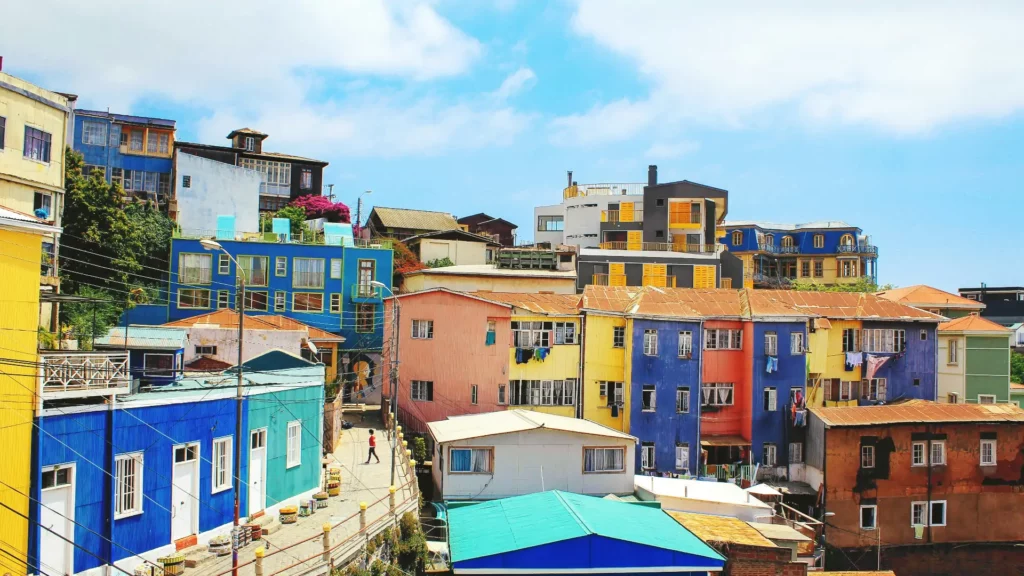
Chile keeps producing one of the more interesting trip ideas in luxury travel: a sabbatical-style traverse that runs the length of the country. Three weeks does it justice, anchored on the Atacama desert in the north and Chilean Patagonia in the south, with the central wine country (Maipo, Colchagua, Casablanca) and the Pacific coast filling out the middle. The country’s domestic airlift has matured to the point that this kind of trip stops being a logistical nightmare and starts being a coherent itinerary. For travelers thinking about a once-in-a-decade South America trip, this is the version most people don’t realize is available.
Off-peak Patagonia and shoulder-season nature
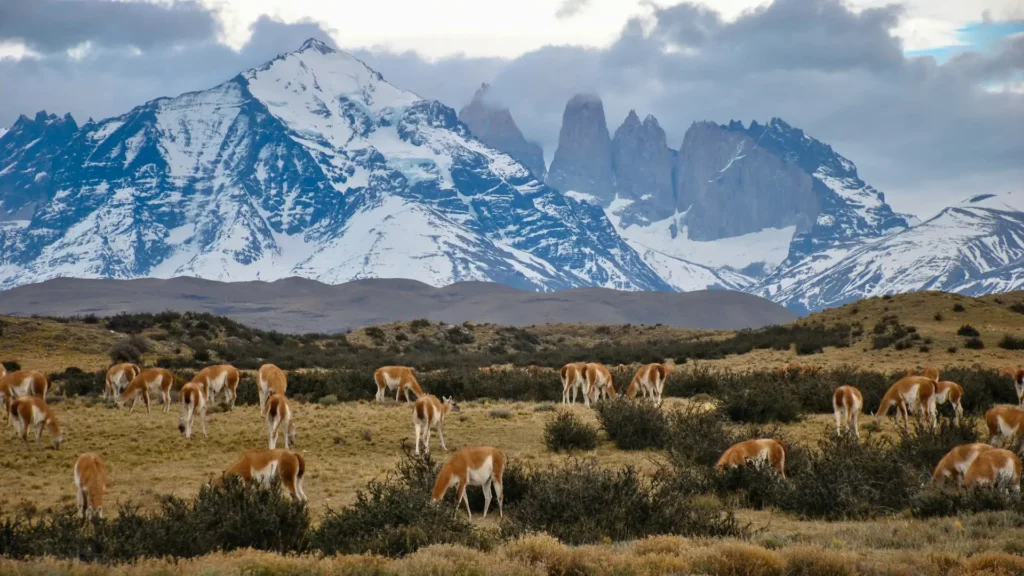
The traditional December-to-February window in Chilean Patagonia still books out, but the more interesting trips in 2026 are increasingly happening in the shoulder months. Late October through November and March through April are pulling serious travelers, with materially fewer people on the trails, better wildlife visibility (the puma tracking out of Torres del Paine is at its best in autumn), and lodge pricing that improves substantially. The trade-off is variable weather and shorter days. The reward is a Patagonia experience that the peak season has lost.