
Patagonia Luxury Travel

Tailor-made trips to the end of the world.

What Patagonia Travel Actually Looks Like

Most people treat Patagonia like it is a small country to visit. It is actually a region that covers the bottom third of South America, split down the middle by the Andes, with the Argentine side a wide-open steppe that runs east from the mountains until it meets the glaciers of Los Glaciares National Park. The Chilean side runs the other direction, with forested approaches opening onto the granite towers of Torres del Paine and Puerto Natales serving as the gateway town for the park. A trip to Patagonia really shines for the travelers who give the region the time it actually needs.

The rhythm of the place sets in fast. Mornings start with strong coffee and yerba mate passed around the table at the estancia. Days move slowly enough that you actually notice things: the guanacos watching from the ridgeline, the way the wind comes off Lago Argentino in long audible gusts, the silence that only breaks when a chunk of Perito Moreno calves into the water below. On the Argentine side, El Chaltén is the trekking capital at the base of Mount Fitz Roy, and El Calafate is the launch point for the glacier days. On the Chilean side, the magnetic pull is the privacy of the trails the W and O Treks do not touch, with the Cuernos del Paine looming overhead the whole time.

What the region rewards most is how slowly you choose to move through it. The top Patagonia luxury lodges function as private basecamps. At Awasi Patagonia, each villa comes with a dedicated 4×4 and a private guide, so the day can start with puma tracking at dawn or a hike into the French Valley at your own pace. Explora and Tierra Patagonia run their own version of the same model. Patagonia trips built around this lodge structure unlock the parts of the region the day-tour buses cannot reach. Evenings end with an open-fire asado and a bottle of Carménère from across the border, the kind of meal that runs for three hours because nobody is in a hurry to be somewhere else.

The weather sets the calendar in Patagonia. Wind hits 70 miles per hour in peak summer often enough that a glacier catamaran or a ridgeline trail can shut down with minimal warning. Gilded Travels protects against that by building an alternate excursion into every itinerary before you arrive, mapped to the same lodge basecamp so a closed trail becomes a different day rather than a lost one. Domestic flight connections through Buenos Aires or Santiago and the 4×4 transfers across the border are sequenced so the trip feels like the once-in-a-lifetime experience you were hoping for.

Steven’s Honest Take

I proposed to my wife on the Perito Moreno glacier in El Calafate. What I remember most (aside from the proposal itself) is how quiet it was. No phones, no day-trip buses in earshot. The region sells itself to people who want adventure, but the thing that stays with them is usually how still it gets.

People see the open steppe in photos and decide they want to rent a car and drive Ruta 40. I usually steer them toward a private 4×4 instead. Patagonia is a better experience from the passenger seat, especially with a driver who knows which gas stations actually have fuel that week. Is Patagonia safe to visit? Yes. The towns are quiet and the lodges are remote. The only real variable here is the weather, and that is where the planning goes.

The most useful thing I bring to a trip like this is a direct line into the lodge on the day something changes. When a trail closes at ten in the morning and the day has to be rebuilt, you want a guide who already knows your group. My Virtuoso relationships in the region are how those calls go straight to a named contact at the property instead of a reservations desk in Santiago.

The one piece of planning advice I give every client going to this region: leave buffer in the itinerary. A day to absorb a sudden shift in the weather means you get to relax in the spa and continue on as planned the next day.

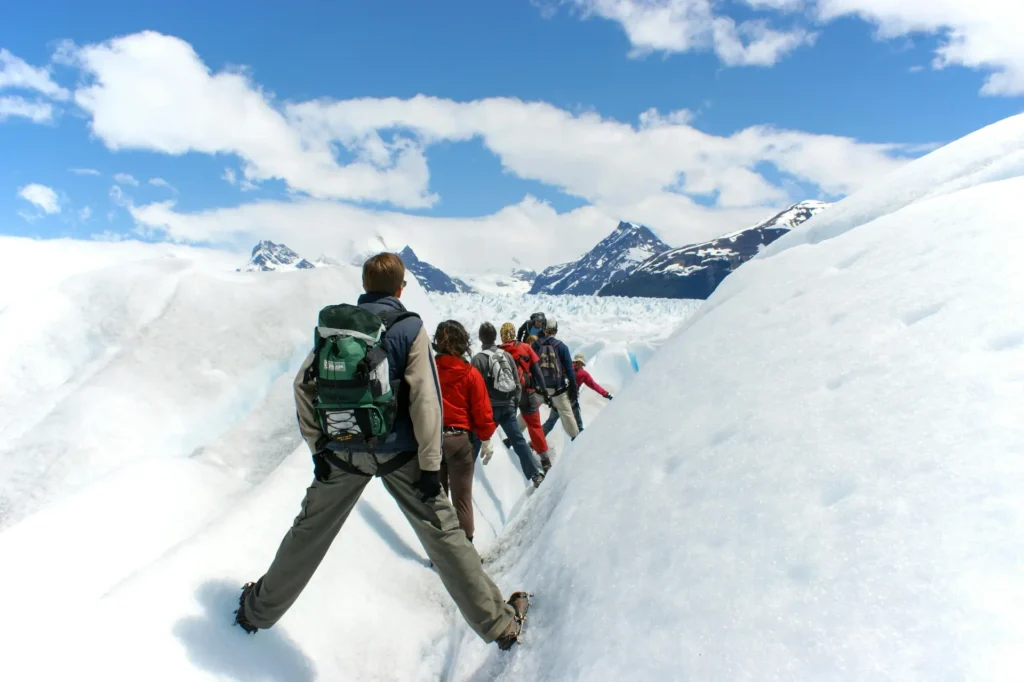
Hikers trekking across the Perito Moreno glacier in El Calafate, a typical excursion on a Patagonia luxury travel itinerary
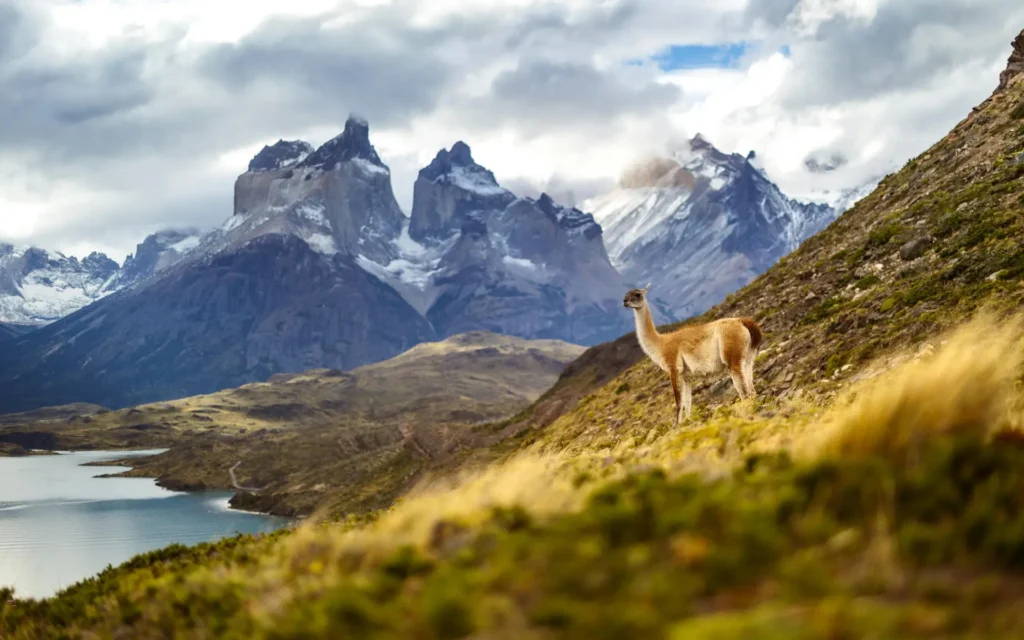
A guanaco standing in front of the Andes mountain range, a common sight across the Patagonian steppe
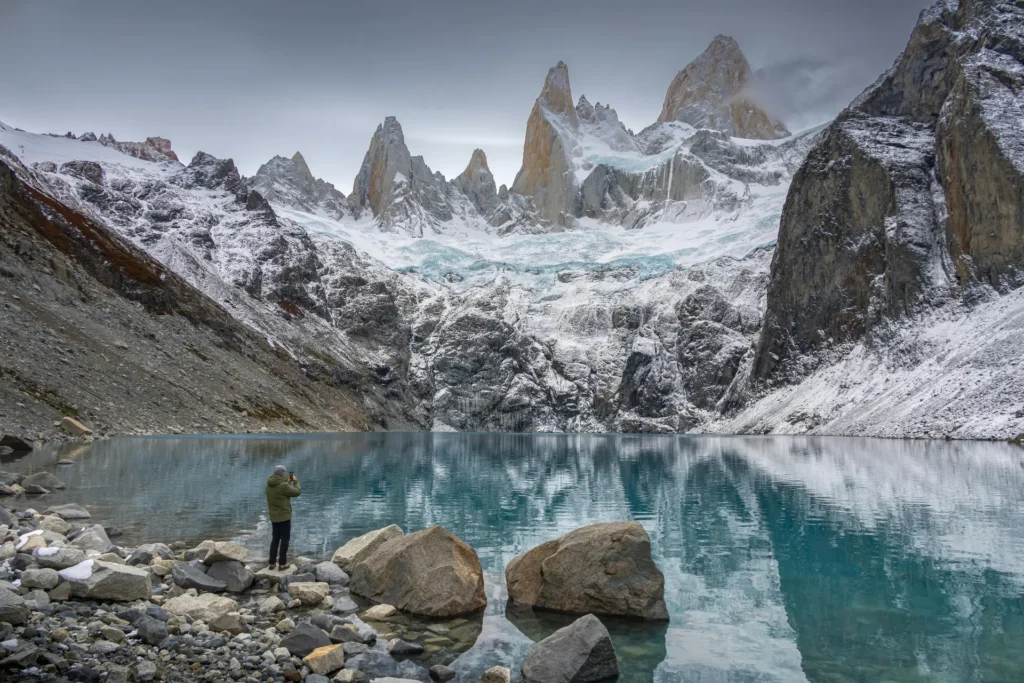
A hiker on the rocks of Laguna Sucia below the peaks of Mount Fitz Roy in El Chaltén, Argentina
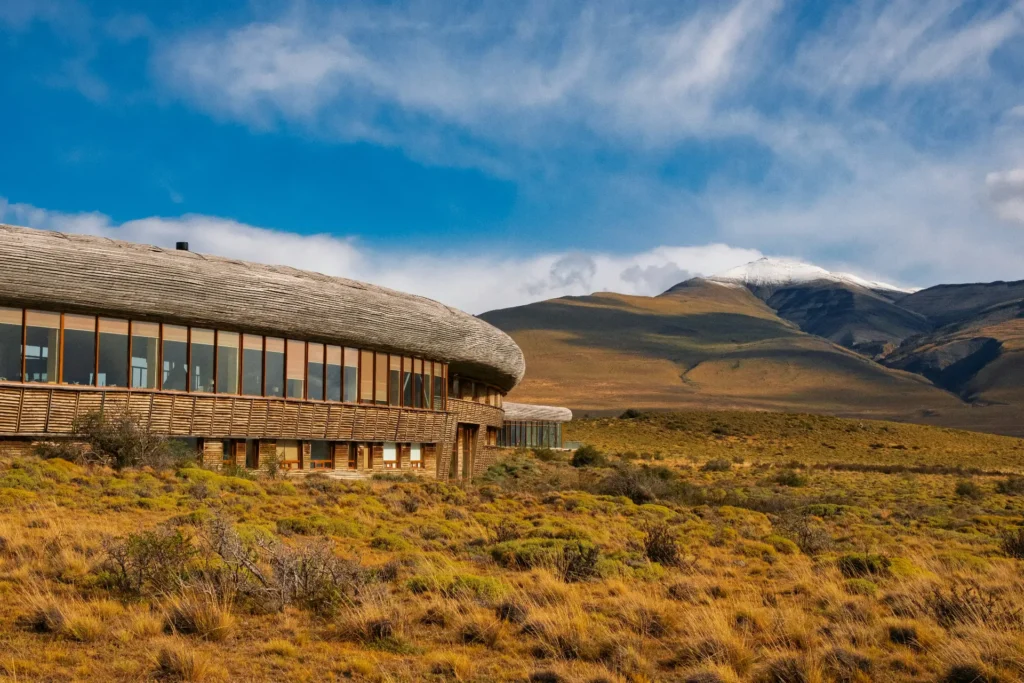
The wooden exterior of Tierra Patagonia resort blending into the landscape of Torres del Paine National Park

Have questions about planning your trip to Patagonia?

How We Plan Patagonia

Couples & Milestones

A Patagonia honeymoon, romantic escape, or milestone trip suits couples who want adventure and solitude over a beach and a swim-up bar. Picture a morning hike to Laguna de los Tres at the base of Mount Fitz Roy, an afternoon at the Awasi pool with the Cuernos del Paine in the window, and an open-fire asado on the terrace that evening. The best villas at Awasi and Tierra book out months ahead, and the rooms that face the massif directly disappear first.

Family Trips

A Patagonia family vacation is best for families with kids old enough to handle long drives and changing weather. Patagonia with kids comes down to pacing: a horseback ride across the steppe with gauchos at an estancia, an ice trek on Perito Moreno for the older kids, and an afternoon spotting Magellanic penguins at Punta Tombo for the whole group. Private guides adjust the difficulty in real time, so the teenagers get their adventure without the eight-year-old melting down two hours into a trail.

Friends & Private Groups

Patagonia is one of the rare destinations where a group of friends or a multi-couple trip actually benefits from the geography. Awasi’s all-villa layout means each couple or family gets their own cabin with a private guide and 4×4, so the group can split up for a hard hike and a vineyard day, then regroup for an estancia dinner under the stars. The same model works at Explora’s main lodges in Torres del Paine and El Calafate, where the dining room becomes the natural meeting point at the end of each day.

When to Travel to Patagonia

If you’re wondering when is the best time to visit Patagonia, shoulder season is the honest answer. November brings spring blooms and the calmest winds of the year. March and April bring autumn color into the beech forests and a noticeable drop in trail traffic. Peak summer (December through February) is still beautiful, but the wind is at its strongest and the popular trails get crowded. Winter closes most of the trekking infrastructure, but it is also Southern Right Whale season on the Valdés Peninsula, which is a legitimate reason to travel between June and December.

Nov – Feb (Summer)
Mar – May (Autumn)
Jun – Aug (Winter)
Sep – Oct (Spring)
Weather

Mild, 45-65°F

Crisp, 35-55°F

Freezing, Heavy Snow

Cool, 40-55°F

Crowds

Peak Capacity

Moderate, Dropping

Low (Lodges Closed)

Moderate

Risks

Extreme winds (up to 70mph)

Early snow by late May

Trails impassable, no services

Unpredictable spring rain

Best Regions

Tierra del Fuego, El Chaltén

Torres del Paine, El Calafate

Avoid unless skiing

Valdés Peninsula (Penguins)

Our Patagonia Outlook for 2026

Patagonia’s reputation was built on extreme adventure. The actual trips Americans are booking in 2026 look pretty different. The region has been quietly shifting away from the endurance-trekking model that defined it in the 1990s, toward a lodge-based approach that gets you to the same landscapes with a fraction of the suffering. For travelers who put Patagonia in the “someday, when I’m in better shape” category, the math has changed.

Soft adventure replacing the extreme version

The Patagonia of fifteen years ago was almost entirely about endurance. The W and O Treks at Torres del Paine, the Fitz Roy Circuit out of El Chaltén were the standard programs. They still run and they are still excellent. But 2026 demand is heavily weighted toward soft-adventure programs that base out of high-end lodges and use day hikes, Zodiac excursions, and guided wildlife programs to access the same landscapes without requiring a backcountry skillset. Explora and Tierra built their entire model around this approach, and the wider region is following.

Shoulder season as the new peak

The traditional December-to-February window still books out, but late October to November and March to April are increasingly drawing serious travelers. The weather is more variable, but the trade-offs work for a particular kind of trip: lower lodge pricing, materially fewer people on the trails, better wildlife visibility (especially for puma tracking in the autumn months), and a quality of experience that the peak season has lost. For travelers who want a more contemplative version of the trip over the longer summer days, the shoulder season is where the better Patagonia is happening right now.

Conservation and rewilding as itinerary anchors

The conservation story in Patagonia has changed enough in recent years that it deserves to be on the itinerary deliberately, not as background. Tompkins Conservation’s work creating new national parks in both countries (Patagonia National Park in Chile and Iberá in Argentina) combined with active rewilding programs reintroducing jaguars to the Iberá wetlands, has built a layer that was not part of the standard Patagonia product five years ago. The conservation-focused lodges across both sides of the border are now central rather than incidental, and travelers who want a trip with measurable impact have credible options here that do not really exist anywhere else in the world.

Frequently Asked Questions About Patagonia

Patagonia is part of our Patagonia and South America collection. Explore the other destinations in the region to find the right combination for your trip.

Let’s Talk About Your Patagonia trip

A real trip to Patagonia takes time to plan well. Tell us when you want to travel, which lodges you have on your radar, and whether you are leaning Chile, Argentina, or both. We will take it from there.

Scroll to Top