
Tailor-Made Argentina Trips

Vineyards and glaciers at opposite ends of a country too large for one trip.

The Scale of Argentina Travel

Argentina is the eighth largest country in the world, and that size is what makes it interesting. The subtropical north has almost nothing in common with the alpine south. Buenos Aires runs on late dinners and tango well past midnight. Patagonia runs on wind and on the kind of southern-hemisphere summer light that holds past ten at night. The trips that work best here are built around two or three regions done properly, not five or six done in passing. Argentina travel rewards depth far more than it rewards cramming.

Most first-time visitors anchor their itinerary around Buenos Aires and Patagonia, and that is a genuinely good foundation. The country’s real scale, though, shows up when you look past the obvious. In the deep north, Salta and Jujuy open onto high-altitude salt flats and the Quebrada de Humahuaca mountain gorges, where the indigenous Andean culture predates the colonial era and feels entirely its own. Up in the tropical northeast, the jungle border with Brazil holds Iguazu Falls. Standard Iguazu Falls tours put you shoulder-to-shoulder with a few hundred other people on the catwalks, and a private guide with early-gate access turns that experience into something else entirely. Argentina is one of the few countries where a two-week itinerary can genuinely cover both the jungle and the southern ice at a pace that still feels like a vacation.

Food and wine pull most clients toward the Andes at some point. A wine trip to Argentina almost always means Mendoza, and the access is what separates a great one from the rest. A genuine luxury tour of Argentina’s wine country bears no resemblance to a group bus with a clipboard. The best Mendoza wine tasting tours look like this: a private driver takes you into the Uco Valley, up to an estate at around 5,000 feet, where the head winemaker walks the rows before a five-course paired lunch with the Andes directly behind the table. Bottles that never leave the country. Cuts of beef that would be unrecognizable in most US steakhouses. That is what defines genuine luxury trips to Argentina, and it almost never comes from a public booking portal.

Weather and itinerary structure are the two variables that shape a trip here. Patagonia is where the South Argentina climate earns its reputation, with seventy-mile-per-hour wind gusts that can close catamaran tours and hiking trails on short notice. That is why every itinerary we build holds alternate plans in reserve. Moving between regions almost always means a domestic flight through Buenos Aires, where the transfer between Ezeiza (EZE) and Aeroparque (AEP) takes roughly an hour in light traffic. We build that reality into the schedule so no connection ever becomes a scramble.

Steven’s Honest Take

I proposed to my wife on the Perito Moreno glacier in El Calafate, so this country gets more of my attention than most.

The trips that work best here pick two regions plus Buenos Aires. Almost every domestic flight funnels back through the capital before continuing, so each added region costs you roughly a full day of transit. Going broader rarely beats going deeper, and Argentina specifically rewards depth.

The Buenos Aires airport transfer is the other piece worth handling in advance. You land at Ezeiza (EZE), your flight to Patagonia leaves from Aeroparque (AEP), and that drive runs anywhere from an hour to two, depending on traffic. I put a private driver at arrivals who knows the traffic patterns and handles the luggage, so the domestic connection never becomes a sprint across the city.

The place I tell clients to splurge is the Patagonia estancia, not the Buenos Aires hotel. A good Buenos Aires hotel is where you sleep between dinners. An estancia outside El Calafate or in Bariloche is where you actually settle in: horseback rides that leave from your doorstep and long afternoon asados that run into the last of the southern-hemisphere light. The best suite categories at these properties rarely surface on public booking portals, so I place those reservations directly with the estancia manager through my Virtuoso contacts.

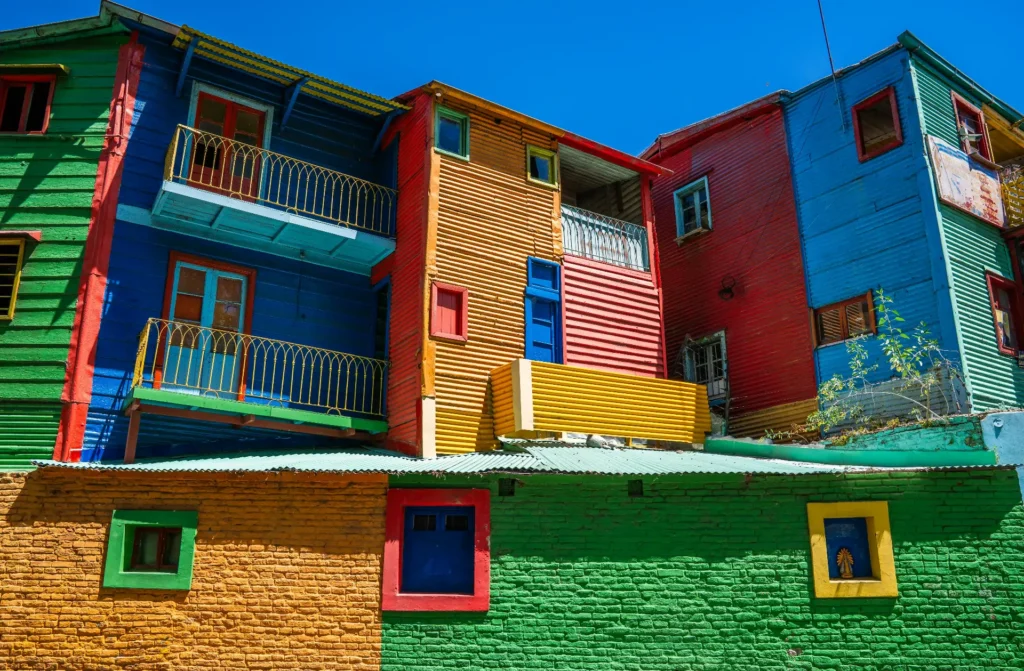
Brightly painted corrugated metal buildings in the La Boca neighborhood of Buenos Aires during tailor-made Argentina trips
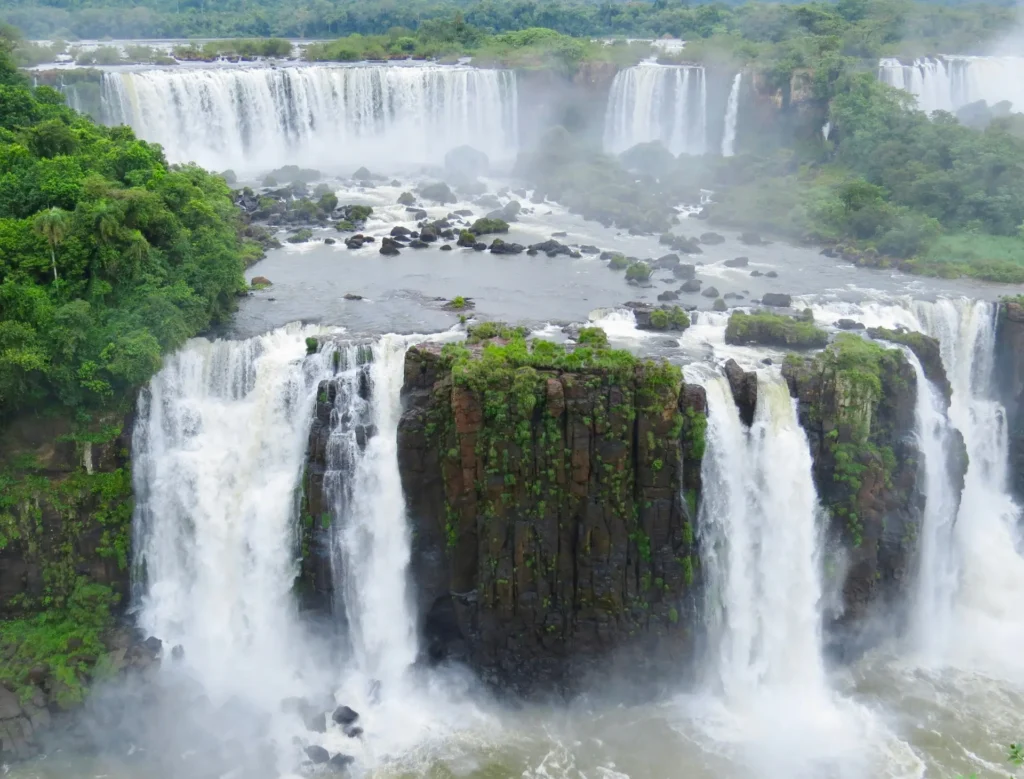
Water pouring over the Garganta del Diablo viewpoint at Iguazu Falls on the Argentine side of the park
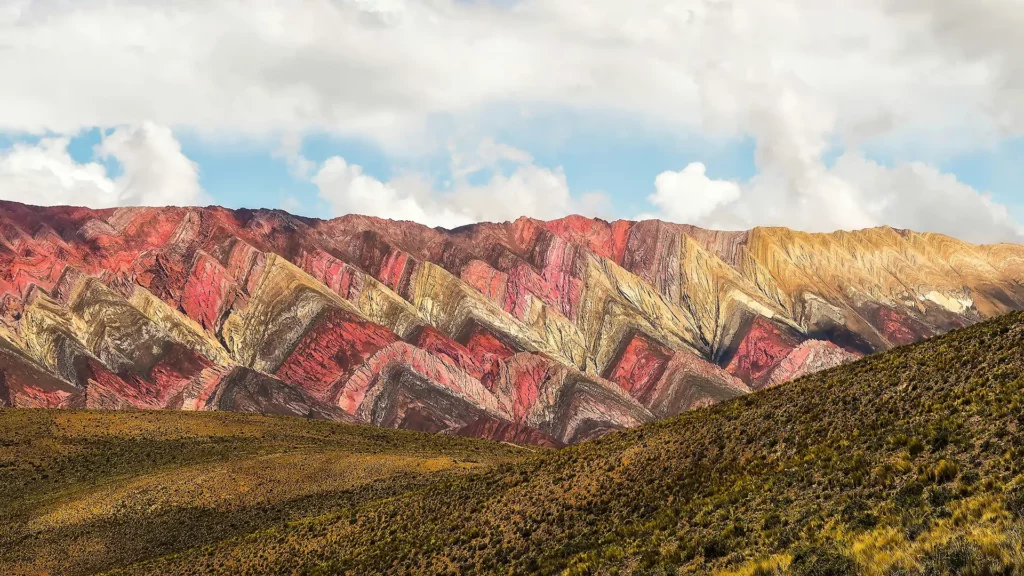
The Hill of Seven Colors above Purmamarca in Jujuy province, northwestern Argentina
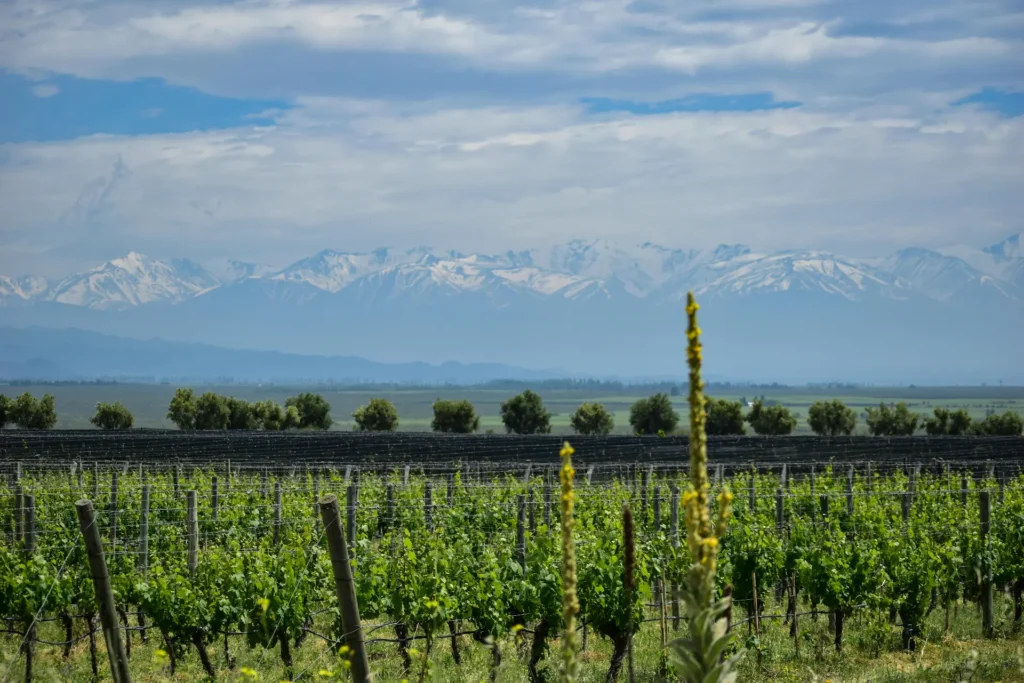
Malbec vineyard rows in the Uco Valley of Mendoza with the snow-capped Andes rising in the background

Have questions about planning your trip to Argentina?

How We Plan Argentina

Family Trips

A family trip to Argentina moves to a different rhythm than a European one. Distances mean domestic flights between regions, and several nights at each base matter more than they would in Europe. The trip settles at estancias in Patagonia or the pampas outside Buenos Aires, where kids spend afternoons on horseback and dinners turn into long open-flame asados that run past sunset. At Iguazu, a private guide times the catwalks around the tour buses so the wildlife is what the kids will remember.

Couples & Milestones

Argentina suits milestone trips largely because the luxury tier here still feels secluded, not curated for Instagram. A honeymoon or anniversary might open with a private tango lesson in a closed Buenos Aires studio before a flight to Mendoza, where the right vineyard lodge has a suite with a plunge pool facing the Andes. Days are spent tasting small-batch Malbecs that never leave the country. The pace is slow. That is almost always the point.

Friends & Private Groups

Argentina is built for the kind of trip a private group remembers for years. Whole estancias in Patagonia or the pampas can be rented end-to-end, which means a dozen friends or three families share the same long asado table and ride out across the property without seeing another guest. Add a few days in Buenos Aires on either side, and the trip starts to feel like the once-in-a-lifetime kind.

When to Travel to Argentina

Argentina stretches across multiple climate zones, so the right timing depends on which regions you are visiting. If Patagonia is the priority, November through February gives you the most daylight, though the wind is aggressive. March and April are the window for Mendoza, when autumn temperatures drop and the grape harvest is underway. The best time to visit Iguazu Falls sits in the shoulder months, when jungle humidity eases but water volume stays high. The catch-all answer to when is the best time to visit Argentina is the shoulder seasons: October–November or March–April strike the best balance across every region.

Nov – Feb (Summer)
Mar – May (Autumn)
Jun – Aug (Winter)
Sep – Oct (Spring)
Weather

Hot in north, 80-90°F. Mild in south, 50-65°F

Pleasant, 60-75°F. Crisp in south

Cold. Snow in Patagonia and Andes

Mild and warming, 65-80°F

Crowds

Peak capacity in Patagonia

Moderate, dropping

Low, except ski resorts

Moderate

Risks

Extreme heat in Buenos Aires. High winds in south

Early snow in deep south late May

Patagonia lodges and trails closed

Spring showers in the capital

Best Regions

Patagonia, Tierra del Fuego

Mendoza (Harvest), Buenos Aires, Salta

Bariloche (Skiing), Iguazu

Buenos Aires, Iguazu, Mendoza

Our Argentina Outlook for 2026

Argentina is one of the few destinations where 2026 is actively a better year to visit than 2024 or 2025 was. The economic situation has made the country meaningfully cheaper for American travelers paying in dollars. Long-haul flight access has held up despite regional turbulence, and the country is finally getting credit for being more than just Buenos Aires and Mendoza. The headline 2026 development is Bariloche climbing into the international spotlight, and that’s reorganizing how Americans are thinking about Argentine Patagonia.

Bariloche and the lake district as a standalone trip

Bariloche has historically been one stop on a longer Patagonia itinerary, often paired with El Calafate and the southern parks. The 2026 trend is travelers booking Bariloche as a destination in its own right. The lake district feels closer to alpine Europe than to the Patagonian icefields, with hiking and fishing in summer and skiing through the winter season. The Llao Llao remains one of the most beautifully sited hotels in South America, and the surrounding Nahuel Huapi National Park rewards three or four days on its own. Combined with a few days in Buenos Aires, it makes for a genuinely good ten-day trip.

Longer stays driven by exchange-rate value

Americans are extending Argentina trips beyond the traditional 10-day template, partly because the on-the-ground value lets travelers stay longer for the same total budget. The other part is that Argentina rewards slower travel. Buenos Aires alone deserves more than a long weekend. Mendoza wine country is at its best across multiple days, particularly with overnight stays at the smaller estate-based lodges rather than the larger hotels in the city. Patagonia’s lake district and the southern parks fill another week between them. Two- and three-week itineraries are increasingly the right shape for the country, and 2026 is one of the better years to commit to one.

Frequently Asked Questions About Argentina

Argentina is part of our Patagonia and South America collection. Explore the other destinations in the region to find the right combination for your trip.

Let’s Talk About Your Argentina Itinerary

Tell us which regions catch your interest and the kind of nights you want. We will take it from there.

Scroll to Top